


Last Updated: August 2026
TFT can make a first game feel like somebody handed you eight puzzles at once. You have a shop, a bench, traits, items, gold, positioning, opponents, and about 30 seconds to decide what matters.
This TFT beginner guide gives you a cleaner way in: learn one layer across your first 10 games. You do not need a tier list open, a perfect comp memorized, or every item recipe in your head. You need a board that makes sense and one reason behind each click.
Quick answer: Buy pairs, play upgraded units, put durable champions in front and damage dealers behind them, complete useful items, and save gold when your board is stable. Add scouting and deeper economy decisions after the basic loop feels natural.
Table of Contents
- How to play TFT without memorizing every comp
- What to do in your first TFT game
- A first-10-games learning plan
- TFT economy for beginners
- Items and positioning
- Beginner mistakes
- Current set and patch
- FAQ
How to Play TFT Without Memorizing Every Comp
TFT is an eight-player autobattler. You buy champions from a shared pool, place them on a hex board, equip items, and watch them fight automatically. Riot's official introduction to Teamfight Tactics names the four core jobs clearly: build a team, manage gold, equip items, and position your units.
You control the preparation, not the fight. That distinction is the game.
Every planning phase follows the same loop:
- Read your shop. Buy useful units, especially copies of champions you already hold.
- Check your board. Play the strongest upgraded units that fit together.
- Use your resources. Decide whether gold buys a meaningful upgrade now or becomes more valuable later.
- Place your units. Give tanks contact with the enemy and keep damage dealers alive long enough to work.
- Watch the fight. Notice what failed before changing the whole board.
Three copies of the same champion combine into a two-star version. Nine total copies make a three-star, as the current shop and champion-pool reference shows. For a beginner, two-star units matter far more than chasing a dream three-star while the rest of the board stays weak.
Traits reward playing champions that share an origin or class. Treat the trait panel as a clue, not a command. Activating one more trait is useful only when the champions themselves still give you enough frontline, damage, or utility.
What to Do in Your First TFT Game
Your first target is not first place. Finish one match knowing why your board won or lost a few fights.
Build a front line and a back line
Put durable melee units in the front rows. Put ranged carries and fragile support units behind them. This basic shape buys time: the frontline absorbs attacks while the backline deals damage.
When a fight ends, ask one question. Did your frontline disappear too quickly, or did your damage dealer fail to finish targets? That answer tells you whether the next shop needs defense or damage.
Buy pairs before random trait pieces
A pair is two copies of the same champion. Buying the third creates an immediate upgrade, so pairs give your next shops a clear purpose.
Do not fill the bench with one copy of everything. Keep units that can upgrade your current board or lead toward one of two plausible directions. Sell the rest when they block your economy or bench space.
Complete items instead of waiting for perfection
Two components combine into a completed item. Read the item tooltip, then match the job: defensive stats usually belong on a frontline unit, while offensive stats belong on the champion already dealing most of your damage.
You will make imperfect items. Good. An item doing work for six fights teaches you more than two components sitting on the bench while you wait for a recipe from a guide.
First-game rule: Make one board-strength decision each round. Upgrade a unit, activate a useful trait, complete an item, or improve positioning. If a click does none of those, pause.
If an experienced player is helping you, do not ask for every correct click. Ask them to stop before a decision and make you name what the board needs. That teaches you to read the next shop yourself instead of borrowing somebody else's answer.
Your First 10 TFT Games: One Skill at a Time
Trying to learn everything at once turns every loss into noise. Use these blocks so each game has one job.
Games 1-2: learn the screen and combat loop
Focus on buying units, making two-stars, fielding the correct number of champions, and moving items off the bench. Ignore placement.
After each fight, follow one unit. Did it die before casting? Did it attack the wrong target? Did it survive while the rest of the board collapsed? One watched unit gives you usable information; staring at every animation does not.
Games 3-4: build around one carry and one tank
Choose the unit holding most of your damage items as the carry. Choose the toughest upgraded frontline unit as the main tank. Your board now has two priorities instead of seven disconnected champions.
Support those jobs with traits and utility. If a new unit activates a trait but forces you to bench your only two-star tank, the trait counter went up while the board got worse.
Games 5-6: learn when not to press reroll
Rerolling shows a new shop for two gold. It feels productive because something changes immediately, but random shops are not guaranteed upgrades.
Save when your board is beating most opponents. Spend when several pairs can upgrade, your frontline cannot survive, or your health is falling through repeated heavy losses. Our TFT leveling guide covers the next layer: matching your carry's cost to the level where shops can actually find it.
Games 7-8: scout three opponents
Open three enemy boards before a fight. Look for upgraded units, completed items, and where their main carry stands.
You are not trying to memorize the lobby. Answer one question: “What is the biggest threat to my carry?” Move one unit in response, then watch whether the change helped.
Games 9-10: play two possible directions
By now, stop naming your final comp on the first shop. Hold two directions that can use your current items and upgraded units, then commit when the game gives you enough evidence.
I believe this is the first real TFT skill: seeing what you have instead of mourning what a guide promised. A flexible fourth-place board teaches more than forcing the screenshot comp into eighth.
TFT Economy for Beginners: Spend With a Reason
Gold buys champions, shop refreshes, and XP. The current Set 17 gold guide shows that normal interest pays at 10-gold steps and caps at five extra gold once you hold 50. That creates the central tradeoff: power now versus more options later.
Use three questions before spending:
- What can I hit? Count useful pairs and the units that would enter your board.
- What does it fix? Name the missing damage, frontline, trait, or shop access.
- What remains? Know whether you will still have enough gold to buy what appears.
Your level changes the cost distribution in the shop. The current Set 17 shop-odds table lists 40% 2-cost odds at Level 6, 40% 3-cost odds at Level 7, and 30% 4-cost odds at Level 8. That is why rolling for every unit at every level burns gold so quickly.
Do not worship 50 gold. If you are taking heavy losses and two upgrades can stabilize the board, spending is the economy decision. Health buys you future rounds; dead players earn no interest.
If your economy still feels like guesswork, review a TFT game with a coach on Tapin. A useful review pauses before the roll or level and asks what information you had—not whether the shop happened to reward you.
TFT Items and Positioning: Build a Board That Functions
Items and positioning solve the same problem: helping each unit perform its job.
Give complete items to units already contributing
Put defensive items on an upgraded frontline unit and damage items on a reliable backliner. You can learn exact recipes later. First, learn whether your board needs more time or more damage.
Do not spread one component across six champions just because empty slots look wrong. Completed items have full effects, and concentrating power gives you a carry and tank you can evaluate.
Move for a reason, not for decoration
Start with tanks forward and carries back. Then adapt one relationship at a time:
- Move a tank toward the enemy group you need it to hold.
- Move a carry away from likely dive threats.
- Spread key units when one area attack is hitting all of them.
- Shift utility units toward the target they need to reach.
Watch the next fight. If you move five units and win, you learn almost nothing. If you move one and your carry survives the opening threat, that lesson sticks.

When you are ready to review these choices more deliberately, use the seven-decision TFT improvement routine. It turns a vague “my board was weak” into one fix you can test next game.
Six TFT Beginner Mistakes to Fix Early
1. Forcing a comp from the first shop
One champion is not a direction. Wait for items, upgrades, and multiple supporting units before committing.
2. Rerolling every round
A new shop is not automatically stronger. Build interest when stable, then roll where several possible hits improve the board.
3. Chasing traits over upgrades
A clean trait web looks satisfying. Two-star frontline units still have to keep your carry alive.
4. Holding every item component
Perfect-item waiting costs health. Make a reasonable item for the board you have and learn from its result.
5. Watching only your carry
The carry may look weak because the frontline died instantly or a threat reached it for free. Watch the whole cause, not only the final death.
6. Changing the plan after every loss
One fight can swing on matchup and targeting. Look for a repeated failure across two or three rounds before rebuilding everything.
What Changes With Each TFT Set?
TFT rotates sets, which replace champions, traits, and a headline mechanic. The fundamentals in this guide—upgrades, economy, items, scouting, and positioning—remain useful when the names change.
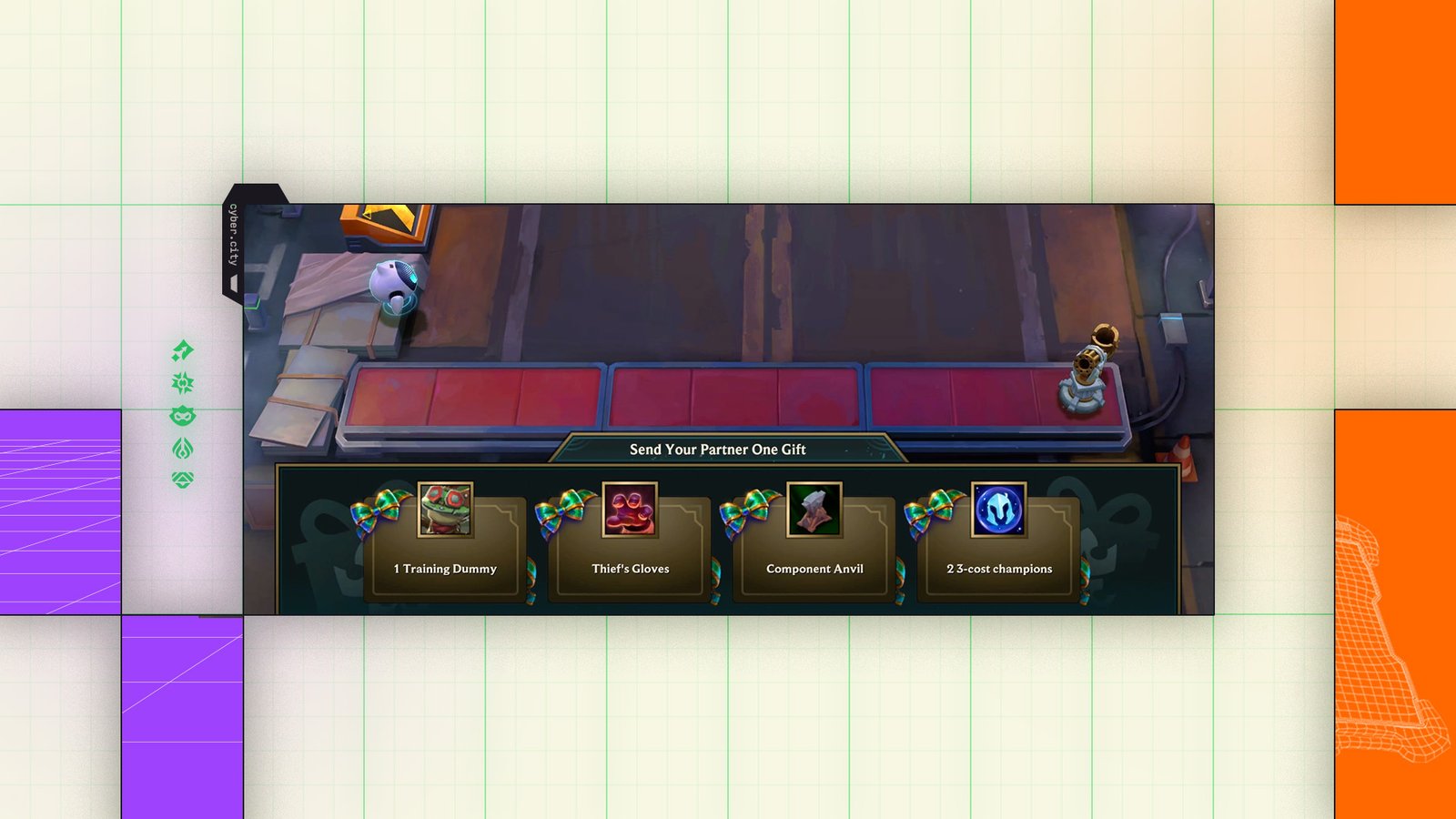
The live game is currently Set 17: Space Gods on Patch 17.9. Space Gods replaces the usual carousel with God offerings; Riot's official Set 17 overview explains that each God offers a different kind of help and every offering includes an item component.
Patch 17.9 is the final dedicated Space Gods patch. Riot's official Patch 17.9 notes say Set 18: Enchanted Wilds arrives August 26, 2026. Do not spend the next two weeks memorizing every Space Gods comp. Learn the loop, and the new set becomes a roster change instead of a full restart.
TFT Beginner Guide FAQ
Is TFT hard for beginners?
TFT has many systems, but you do not need to master them together. Start with two-star units, a frontline and backline, completed items, and basic gold saving; add scouting and shop odds after the combat loop makes sense.
Do I need to play League of Legends before TFT?
No. TFT uses League champions and art, but its autobattler rules are separate. League knowledge may help you recognize characters, not make economy or positioning decisions.
Should a TFT beginner memorize a comp?
Use one or two comps as examples, not scripts. Learn which unit carries, which unit tanks, and which items or traits connect them so you can adapt when the shop gives you a different opener.
When should I reroll in TFT?
Reroll when several affordable hits can improve your board, especially at a level with good odds for their unit cost. Save when stable; spend when upgrades can protect meaningful health or a streak.
How many games does it take to learn TFT?
There is no fixed number, but 10 focused games can teach the core loop better than 10 games spent copying different comp sheets. Give each small block of games one skill, then keep the rule that actually improved your decisions.
You do not need the whole game solved before you queue. Build a front line, protect one carry, spend with a reason, and watch one failure closely.
Do that for 10 games. The board will stop looking like noise—and start looking like choices.